
Omaha ADU Guide: Costs, Zoning, and Building Tips for Nebraska Homeowners




Navigating Omaha’s ADU Zoning and Development Regulations
Discover a comprehensive guide to Omaha ADU regulations, including how to navigate local laws, benefits, costs, and building tips for your project.
Thinking About Adding an ADU? Start Here
Accessory Dwelling Units (ADUs)—also known as guest houses, in-law suites, casitas, granny flats, or backyard cottages—are gaining momentum across the Omaha metro as homeowners look for smart ways to add space, support family, or generate income. In response to growing demand, Omaha and its surrounding communities are beginning to create new pathways that make it easier to build ADUs. Whether you are dreaming of a rental unit, a home office, or a space for a loved one, this guide will help you understand the opportunities, zoning rules, and practical steps to bring your ADU project to life.
What is an ADU and Why Build One in Omaha?
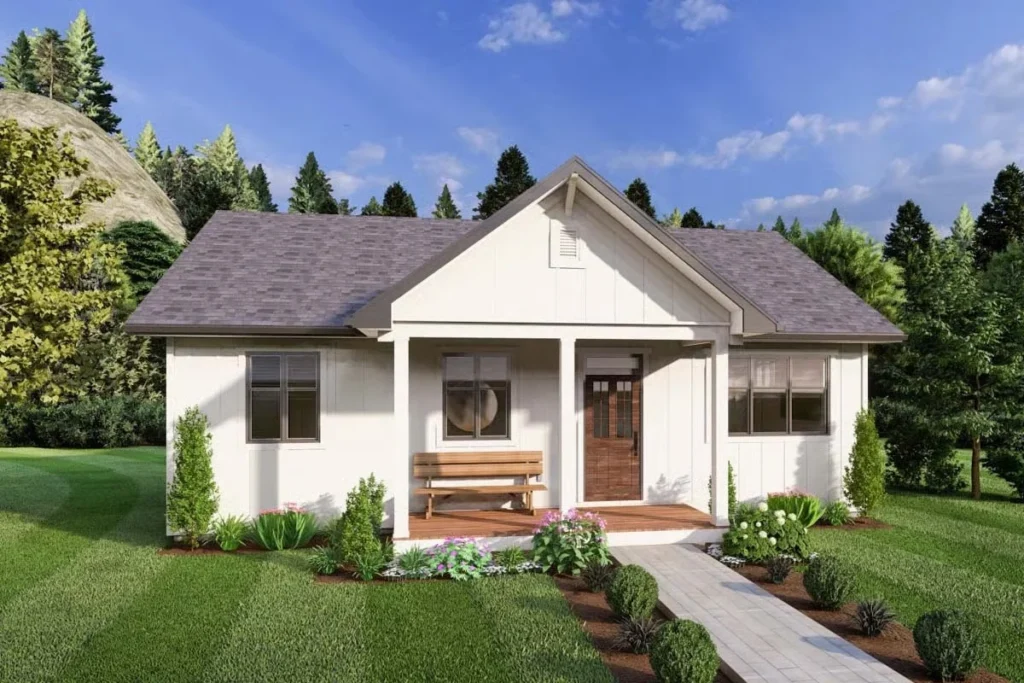
ADUs are small, independent living spaces built on the same property as a primary home. These units can be detached buildings, garage conversions, basement units, or even additions that create a second, self-contained residence.
At Platte + Pine Construction and Remodel, we believe ADUs offer one of the most powerful solutions for homeowners seeking flexibility and long-term value. Whether you are looking to generate rental income, support a loved one, or simply create a more usable space, an ADU might just be the answer!
Why ADUs are Gaining Momentum
Omaha’s Housing Shortage is Real, and Getting Worse
The Omaha metro is in the midst of a serious housing crunch. According to the Omaha Affordable Housing Action Plan (2023), the region will need roughly 30,000 additional housing units by 2030 to meet projected demand.
Rental competition is also intensifying. A 2024 report ranked Omaha as the 7th most competitive rental market in the United States, with each vacant unit attracting an average of 13 applicants and typically remaining vacant for only 32 days (KETV).
Meanwhile, Omaha added nearly the same number of households as housing units between 2010 and 2020, adding just 26,732 new units for 26,908 households. This means we actually created more new households than new units of housing, exacerbating an existing housing market shortage when the market would otherwise demand at least one unit of housing per new household.
Multigenerational Living, Made Easier
ADUs offer families a practical way to care for aging parents or disabled relatives without the financial and emotional strain of long-term care facilities. These spaces also work beautifully for adult children returning home, visiting guests, or live-in caregivers.
According to the AARP’s ABCs of ADUs, homeowners build ADUs for the following top reasons:
86%: Provide housing for a loved one or caregiver
82%: Create space for guests
69%: Increase the value of the property
63%: Generate rental income
These units create flexibility in proximity, making them an ideal solution for modern multigenerational living.
Put Your Low Mortgage to Work
If you bought or refinanced your home before 2022, chances are you locked in a historically low mortgage rate, likely below 4%. In fact, over 60% of US mortgage holders are in this exact position, according to Redfin.
While you may want to upgrade your current house to more space for that perfect home office or guest space for a family member, trading your low-rate mortgage for a new mortgage up around 7% can feel like poor financial sense.
That is exactly where ADUs come in! Instead of selling your home and taking on a higher rate, you can stay put and unlock the equity you have already built. Thanks to Omaha’s rising home values over the past decade, many homeowners have significant untapped equity to fund a new ADU project through a home-equity loan, line of credit, or cash-out refinance.
The result is getting to keep your low monthly payment, gain valuable new living space, and boost your long-term home value value without moving.In today’s high-rate market, building an ADU is one of the smartest ways to expand your home’s potential without sacrificing your financial footing.
Backed by National Research and Real Results
The AARP’s ABCs of ADUs highlight ADUs as one of the most practical and forward-looking housing options in America. They emphasize that ADUs:
Offer wealth-building potential
Support aging in place
Strengthen family care networks
Increase housing diversity
Contribute to more sustainable, space-efficient communities
But they aren’t just a good idea in theory, we are seeing their proven success in cities across the country. Across the country, ADUs have helped solve housing shortages, supported multigenerational living, and unlocked new income streams for homeowners.
Seattle, Washington loosened ADU regulations in 2019, which included removing parking requirements, increasing allowable size, and permitting two ADUs per lot. This led to a substantial increase in permits, with over 1,000 ADUs permitted annually since the change. The city now treats ADUs as a critical tool in its long-term housing strategy.
Los Angeles saw ADU construction explode following state-level reforms in 2017. By 2021, more than 25% of all new housing units in LA were ADUs, helping ease pressure in one of the country’s tightest housing markets.
Washington DC revised its zoning code to allow ADUs citywide, encouraging gentle density while preserving neighborhood character. Many residents now use ADUs for aging parents or supplemental rental income.
Omaha Joins the ADU Movement
In March 2024, Omaha followed the national trend when the city council unanimously approved a major zoning code update that legalized ADUs citywide, either by-right or via a simpler conditional use permit. This ordinance followed the passage of Nebraska’s LB 866, which encourages municipalities to allow diverse housing types, including ADUs.
The impact has been immediate and measurable:
2024 was a benchmark year in which Omaha officials approved several of the city’s first ADUs under the new rules
The city also launched an ADU resource hub, featuring fast-track FAQs, pre-approved ADU blueprints, and guidance on architects and permitting.
By creating easier zoning, removing parking requirements, and fast-tracking permitting, Omaha is positioning ADUs as a key solution to diversify housing options, support aging-in-place, and bolster affordability.
Your Trusted Omaha ADU Partner
At Platte + Pine Construction and Remodel, we specialize in helping homeowners make confident, informed decisions about their space. We work closely with a network of experienced design professionals and trade contractors to support your ADU project with transparency, care, and craftsmanship.
This guide will walk you through:
What types of ADUs are allowed in your area
Zoning and permitting rules in Omaha, Bellevue, Gretna, La Vista, and Papillion
Realistic costs and financing options
Steps to turn your vision into reality
Use Cases that Make Sense -> Why Homeowners Are Building ADUs
ADUs are not just about extra space. They are about solving real-life problems for homeowners while unlocking powerful financial and lifestyle advantages. Below are the most common reasons Omaha-area residents are turning to ADUs, and why one might be the perfect fit for your home.
Multigenerational Living, with Independence
Whether you are caring for aging parents, helping an adult child get started, or supporting a loved one with special needs, an ADU offers the perfect balance of closeness and independence. Instead of paying for assisted living or squeezing into one household, a well-designed ADU keeps everyone nearby, with privacy and comfort.
Real Example: a family in Dundee built a detached ADU for their elderly father, giving him independence and medical security without costly facility fees.
Make Your Home Work for You with Rental Income
ADUs can be a smart wealth-building tool. By creating a legal rental unit, you can generate long-term passive income that helps cover your mortgage or build savings. With Omaha’s tight rental market, ADUs can easily rent for upwards of $1,000/month, depending on size and location.
Pro Tip: Many homeowners use ADUs as short-term rentals (for example, traveling nurses or corporate housing), which can bring even higher returns with the right setup.
Boost Property Value and Resale Flexibility
Homes with permitted ADUs are increasingly attractive to buyers, especially those looking for income potential or flexible living space. According to the National Association of Realtors, ADUs can increase home value by as much as 35%, depending on quality and usability. Simply put, a finished ADU adds finished square footage and future options for whoever owns the home next.
Lifestyle Space Giving Room to Breathe
Sometimes the benefit of an ADU is not about who lives there, but it is about what you do with the space. Think of it as a customizable canvas:
A detached office or studio for remote work
A peaceful yoga or fitness retreat
A dedicated space for hobbies, guests, or entertaining
Your primary home stays clean and distraction-free, while your ADU gives you room to stretch out and enjoy more of what matters.
Flexibility Over Time
The best part? An ADU can evolve as your life does. What starts as a short-term rental today could become housing for a postgrad child or aging parent tomorrow. These spaces adapt to your changing needs, making them a long-term investment in both your property and your peace of mind.
Of course, every great ADU starts with a well-informed plan. We recommend working with an experienced designer, such as Straightline Design, to help you visualize what is possible on your lot, design a thoughtful layout, and prepare all the drawings needed for permits and construction.
Let’s Talk About What You Need
Every homeowner has different goals. Whether you’re planning for future family needs or just want more space to live the way you want, we are here to help you think it through and then bring it to life.
At Platte + Pine, we take the time to understand your vision and work with experts around the community to understand what is possible, the costs, and how to get there. We dislike pressure sales just as much as you do, so we are here to provide honest answers and guidance from someone on your side.
Ready to talk about your ADU goals? Book a consultation today or call 402.239.7597.
What Type of ADU is Right for You?
Not all ADUs are created equal. Depending on your property, your needs, and your city’s zoning rules, there are several types of Accessory Dwelling Units to consider. Some are detached buildings, while others are tucked into the footprint of your existing home.
Here is a breakdown of the most common ADU types, along with considerations for each.
Detached ADU
What it is: A standalone structure built in your backyard or side yard. Think of it as a small house behind your main homes, complete with its own entrance, kitchen, bathroom, and living space.
Why people choose it:
Maximum privacy for guests or renters
Flexible use over time (rental, in-law suite, or studio)
Can often be designed from the ground up to suit your goals
Considerations:
Generally the most expensive type of ADU
Requires adequate lot size and setback space
May involve separate utility hookups, depending on city regulations
Attached ADU
What it is: An addition to the main house that functions as an independent living space, with its own entrance, bathroom, and kitchen or kitchenette.
Why people choose it:
Often less expensive than building a detached structure
Easier access to existing utilities and plumbing
Good option for adult children, aging parents, or live-in caregivers
Considerations:
Can feel less private than a detached unit
Needs thoughtful design to blend with the existing home
Garage Conversion ADU
What it is: A finished conversion of either an attached or detached garage into a livable dwelling unit.
Why people choose it:
Makes use of underutilized space
Often more affordable than new construction
Preserves the footprint of the main home
Considerations:
Loss of parking or storage space
Ceiling height, insulation, and foundation must meet residential code
May need new electrical, HVAC, or plumbing
Basement ADU (aka Lower-Level Suite)
What it is: A converted basement space that serves as an independent apartment with a separate entrance, kitchenette, and bathroom.
Why people choose it:
Ideal for homes with walk-out basements
Typically lower cost than detached builds
Great for supplemental rental income or a live-in caregiver
Considerations:
Requires egress windows, ceiling height minimums, and fire separation
Some basements may not qualify without substantial upgrades
Junior ADU (JADU) or Interior Suite
What it is: A small, self-contained living space carved out of the existing home, such as a reconfigured bedroom or attic space with a kitchenette and separate entrance.
Why people choose it:
Very cost effective
Ideal for short-term guests or family use
Requires minimal changes to exterior footprint
Considerations:
Often not rentable in all jurisdictions
Utility setup is usually shared with main home
Zoning allowances vary by city (not all Nebraska cities recognize JADUs yet)
Not Sure What Fits?
That’s totally normal. Your property layout, budget, long-term goals, and city regulations all play a role in determining what is possible.
If you’re not sure what kind of ADU your lot can support or how to bring it to life, that is where a design team like Straightline Design comes in. They can work with a local surveyor to survey your lot, create professional site plan, design the full floor plan, and prepare the construction docs needed to move your project forward with confidence.
At Platte + Pine, we along with a team of experts from across the community help Omaha-area homeowners evaluate their lot, understand the zoning, and explore the type of ADU that makes sense for them. And this all happens well before we ask you to invest a dollar in design or permits.
Want help figuring it out? Let’s talk through your options by booking a consultation or call us at 402.239.7597.
Omaha, Bellevue, Gretna, La Vista, and Papillion ADU Rules Compared
Building an ADU is as much about paperwork as it is about construction. Understanding each city’s regulations help you avoid costly delays. Fortunately, knowledgeable builders and willing planning departments can make the process much smoother.
Omaha
Under Omaha’s 2024 zoning update, ADUs are allowed on most single-family lots, but your zoning district will determine whether you can build one “by-right” (meaning there is no additional use permit required) or whether you will need a Condition Use Permit.
Here is how to find out your permitting requirements:
1 – Use the City of Omaha’s Address Lookup Tool
Enter your home address to view your parcel’s Zoning Designation (R4, R5, R6, R7, etc.)
2 – Cross-reference with the ADU Ordinance Summary in Ordinance 43728 (Note: you are looking for the row “accessory residential”)
ADUs are typically permitted by-right in Zones R5, R6, R7, and R8, so long as you meet size and setback requirements
In more restrictive zones like R3, R4, and historical overlays, you will need to apply for a Conditional Use Permit
ADUs are not allowed on lots with existing duplexes or multifamily lots unless specifically zoned
3 – Confirm with the Omaha Planning Department
Rather than guessing, call or email Omaha Planning at 402.444.5150 or planning@cityofomaha.org with your address and ask “Is an ADU permitted on my property by right, or would I need a Conditional Use Permit.” The city can also help you understand the setback requirements to ensure your proposed project will work in your space.
Bellevue
Bellevue’s ADU regulations are less formal and not specifically define accessory dwelling units, but the city recently confirmed that ADUs are considered accessory “guest houses” or secondary suites that are permitted in residential zoning districts. However, ADUs in Bellevue cannot be rented or conducted as a business.
The Planning Department has already indicated that they are exploring updates to their zoning regulations to further permit ADUs but the Planning Department can walk you through their existing code by calling 402.293.3026.
Gretna
In 2023, Gretna updated their zoning code to permit ADUs up to 720 square feet. However, the city requires that the total lot coverage of all buildings (including both the primary home and ADU) does not exceed 50%. This can lead to a calculation of your total lot square footage to ensure you can comply with the regulation. However, the good news is that Gretna is actively exploring new accommodations for ADU-style units with the hope of updated regulations coming soon.
For direct assistance, you can call the Gretna Permit Clerk at 402.332.3336 x1209 to discuss your specific use case.
La Vista
The City of La Vista permits ADUs so long as they comply with general setback limits. While they do not have a lot of information on permitted uses, including renting your ADU, you can contact the La Vista Planning Department at 402.331.4343.
Papillion
The City of Papillion was on the front foot with ADU regulations, permitting up to two accessory buildings per lot and up to 960 square feet.
For more information, you can contact the City of Papillion Planning Department at 402.597.2072.
Bottom Line: Municipal Planning Departments Are a Hidden Asset
These departments are not bureaucratic gatekeepers, they can instead be your best resource:
Providing code clarity to advise you on setbacks, height limits, utility requirements, and legal living and rental-use definitions
Telling you which permits to expect and how to efficiently bundle them
Sharing examples of recent ADUs approved under the same rules
Potentially suggesting fast-track review or fee waivers when aligning with department policy goals or affordability-focused projects
What You Can Do Now
1 – Download/print relevant ordinances
2 – Call or email planning offices and mention that you are interested in an ADU or “accessory dwelling unit” project
3 – Ask for zoning district review, including setback, size, utility, and parking criteria
4 – If they don’t have ADU-specific terms, share your plans verbally and ask how to make it a “legal living space” under their code
5 – Get permit checklists early so you know the expected fees and inspections
Keep in mind a knowledgeable ADU builder can help you through every step of this process, working with local planning departments to ensure your project meets code and provides a seamless experience for all involved.
How Much Does It Cost to Build an ADU in Nebraska?
Building an ADU is an investment, but can pay dividends for years to come through increased property value, rental income, and more flexible living. Whether you are building a detached unit in the backyard or converting a basement into a suite, it is important to understand what to expect financially.
This section breaks down typical cost ranges, fees, and financing options for ADUs in the Omaha metro area.
Construction Costs in Omaha
ADU costs vary widely depending on size, finishes, site conditions, and whether you are building new or converting space.
Here’s what you can expect:

Note: These monthly payment estimates are for informational purposes only and assume a fully amortized home equity loan with a fixed 8.5% interest rate over a 20-year term. Actual rates, terms, and qualification requirements will vary based on your lender, credit profile, and project details. Consult your lender or financial advisor for personalized loan estimates.
Cost Drivers to Consider
Utilities – New water/sewer connections or separate electric meters can add $5,000 to $20,000+, depending on how we can access the main line
Site conditions – Grading, draining, or tree removal can drive up costs; a steep lot or having to build a retaining wall can add costs quick
Design and permits – Architect or designer fees, city fees, and engineering costs
Finish level – Higher end finishes (especially in wet spaces like kitchens and baths), tile, and appliances will quickly raise the total
Financing Options for Your ADU
ADUs can be financed in several ways, and you don’t need to have cash on hand to get started.
1 – Home Equity Loan or Line of Credit (HELOC)
Leverage built-up equity in your home
Fixed or variable interest rates
Usually easier and quicker to qualify for than new mortgages
2 – Cash-Out Refinance
Refinance your existing mortgage and pull out cash to fund the build
Works best if you have a low remaining balance and significant equity
3 – Renovation Loans (Fannie Mae Homestyle/FHA 203k)
Combine construction and permanent financing into one loan
May require a builder’s bid and inspection milestones
4 – Construction Loan (Short-Term)
Based on project scope and appraisal
Converts to permanent mortgage once the ADU is complete
5 – Nebraska Affordable Housing Trust Fund (NAHTF)
Available for non-profits or public entities seeking to develop housing options for lower-income families
Does not target ADUs specifically, but would be a great option
Steps to Plan, Design, and Build Your ADU
Building an ADU might feel overwhelming at first, but with the right plan and the right team, it can be a smooth, rewarding experience. At Platte + Pine, we partner with homeowners like you to navigate the process confidently, bringing together trusted professionals to set clear expectations and provide a deep understanding of Omaha’s zoning and permitting landscape.
Here is the typical ADU journey:
1 – Define Your Goals
Before calling an architect or starting design, take a step back and get clear on why you want to build.
Supporting an aging parent?
Building a flexible space for guests, hobbies, or work?
Are you creating rental income?
Your long-term goals should shape everything from layout to finish level and financing strategy.
2 – Site Review and Zoning
After clarifying your goals, the next step is understanding what is possible based on your lot and zoning. This starts with creating a site plan, which is a scaled layout of your property showing lot lines, setbacks, existing structures, and usable space.
We recommend Straightline Design, a trust local firm that provides comprehensive design services. They will help you:
Coordinate with surveyors to analyze your lot’s buildable area
Design a custom ADU floor plan that fits your goals and zoning
Create all the construction documents needed for permitting and the build phase
Getting a site plan and design package in place early prevents costly rework and keeps your project on track.
3 – Consult with a Contractor
This is where Platte + Pine brings value early. Before committing to design fees, we help you:
Estimate a realistic construction budget
Understand how your goals match local building conditions
Flag high-cost features or difficult site conditions
Avoid common planning and permitting pitfalls
Having a contractor involved early means fewer surprises later and ensures the plans are buildable, code-compliant, and aligned with your budget. We always recommend you consult with at least three different contractors to hear their process, discuss your vision, and get a ballpark estimate. Even if you don’t choose Platte + Pine, comfort with your contractor is critical.
To avoid costly missteps, read our guide: The Most Common ADU Mistakes and How to Avoid Them
4 – Design + Plans
Once you know what is allowed and guidance is in place, it is time to engage with a designer, architect, or drafter to create your plans.
If you don’t already have one, we will connect you with trusted professionals such as Straightline Design
You will work together with your designer and drafter to design a space that reflects your goals
If needed, we stay involved in the design phase to keep scope and cost in sync
5 – Permitting + City Approvals
Once plans are ready, it is time to submit:
Building permits (including mechanical, electrical, plumbing)
Conditional Use Permit, if required
Plan review and revision process
Remember: Your local planning department is your ally to clarify requirements, fee schedules, and timelines. Depending on your jurisdiction, timelines may vary slightly and it may take much longer than just a week or two.
6 – Final Bidding + Scheduling
With permits underway or approved, we finalize:
Detailed scope of work
Updated project cost based on final plans
Construction schedule and milestone expectations
Payment structure and contract terms
This is the time to confirm allowances, finish selections, and align on expectations so the build goes smoothly.
7 – Construction + Inspections
Your project begins, with Platte + Pine managing the build from start to finish.
Site prep, foundation, framing
Mechanical rough-ins and city inspections
Interior finishes and punch list
Final inspection and occupancy certificate
Throughout the process, we keep you updated, answer your questions, and make sure quality and code compliance stay on track.
8 – Move In, Rent Out, or Reimagine
Once your ADU is complete, it is yours to use however you would like:
Welcome a family member
List it as a long-term or short-term rental
Use it as a flex space that adapts to your life over time
Whatever your goals, you have added serious value and flexibility to your home! Avoiding Mistakes Before They Happen
Want to make sure you don’t overbuild, overpay, or overcomplicate the process? We break down the most common issues in this quick read: The Most Common ADU Mistakes and How to Avoid Them
Get Started with Platte + Pine and Work With an Experienced Omaha ADU Contractor
Whether you are just starting to explore the idea of an ADU or you already have a vision in mind, you do not have to go it alone. At Platte + Pine, we help Omaha-area homeowners like you turn ADU dreams into real, usable space.
We are here to be your partner every step along the way. That means no pushy sales pitches and no cookie-cutter packages, just honest advice and practical guidance from a team that cares about getting it right.
We can help you:
Understand your lot and what is allowed
Estimating realistic project costs
Finding the right designer or architect
Navigating the city’s zoning and permit process
Managing construction with care and communication
Avoiding costly mistakes before they happen
Let’s Start the Conversation
If you are ready to talk through your goals (or even just want to ask a few questions), we would love to hear from you.
Book a consultation call here: Schedule 30-minute Consultation or call/text 402.239.7597.
Let’s build something that adds value to your home and flexibility to your life!
Omaha ADU building common queries
Are ADUs allowed in Omaha?
Yes. Omaha permits Accessory Dwelling Units (ADUs) in many residential areas. In some neighborhoods, they require a conditional use permit, while in others they are allowed by-right if you meet the requirements.
Do I need permits to build an ADU in Omaha?
In many parts of the city, yes. The conditional use permit is a navigable approval process that ensures your project fits zoning rules. Some districts do allow ADUs by-right, but that is not always the case.
What are the setback requirements for an ADU in Omaha?
Detached ADUs must generally be placed at least 20 feet behind the front of the primary home. Side yard setbacks are usually 5 feet and rear yard setbacks are 8 feet, with some flexibility down to 3 feet if no utility easements exist.
How tall can an ADU be in Omaha?
Detached ADUs can be up to 16 feet tall.
Do I need to provide extra parking for an ADU in Omaha?
No. Omaha does not require additional off-street parking for ADUs.
What if my lot doesn’t meet the ADU requirements?
You may still qualify by applying for a waiver through Omaha’s Building Board of Review, which can grant exceptions for the right use case.