
How Long Does It Take to Finish a Basement? A Complete Timeline for Omaha Homeowners




The basement sits unfinished for years. Not because the homeowner does not want it done but because no one has given them a clear, honest picture of what finishing it actually looks like from start to finish.
How long will we be living through construction? What happens first? What takes the longest? Can we stay in the house?
These are the questions worth answering before anything else. This guide walks through the full basement finishing timeline in real terms what each phase involves, how long it takes, what commonly causes delays, and what to expect living through the process. If you are planning a basement finish in Omaha or the surrounding area, this is where to start.
First: What Does "Finished" Actually Mean?
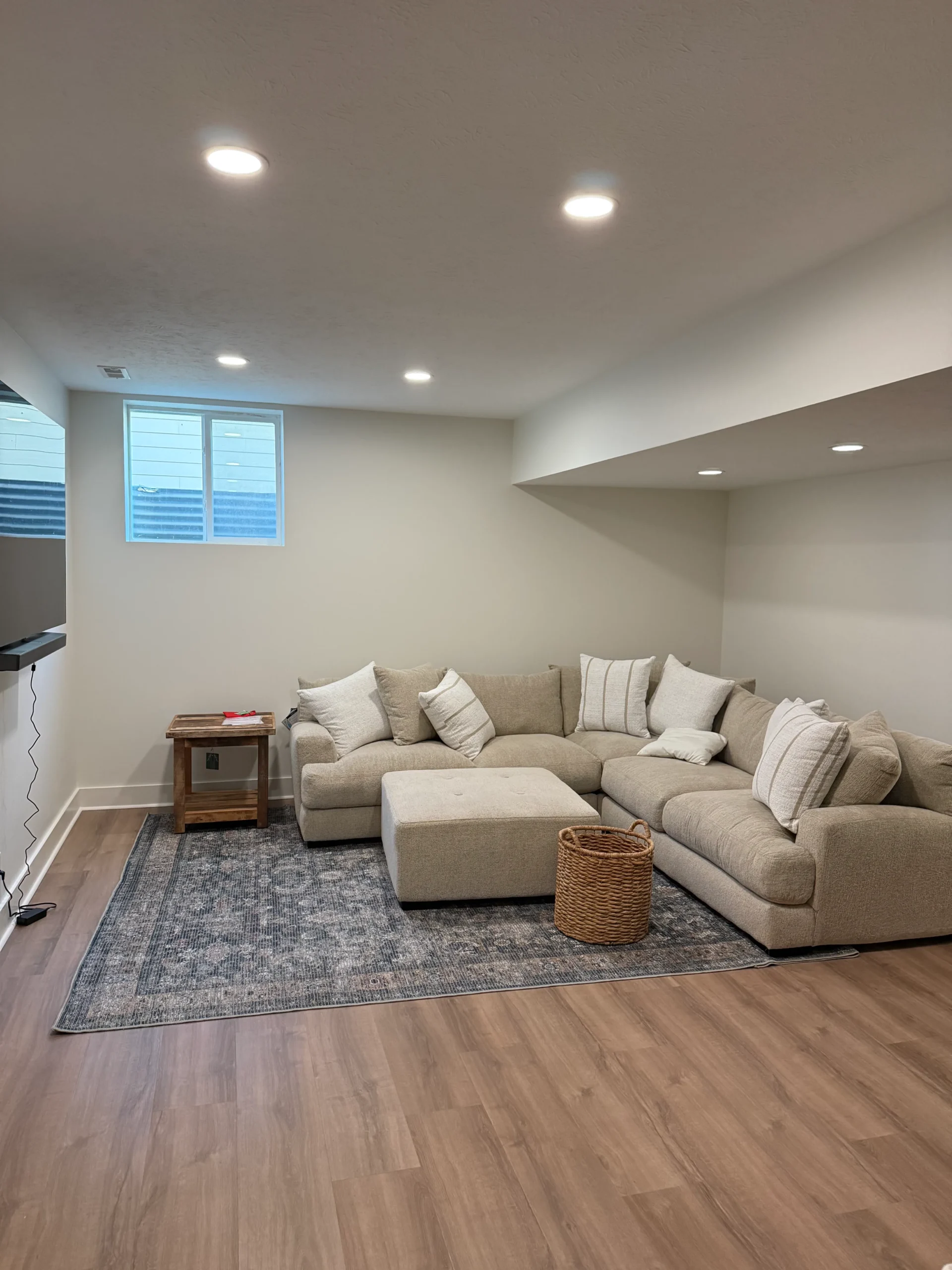
Before talking about timelines, it helps to be clear on what a finished basement is and is not. It affects how long the project takes. A finished basement meets residential building code requirements for habitable space. That means it has framed walls with insulation, drywall, a functional ceiling, proper egress, heating and cooling, electrical outlets and lighting on permitted circuits, and in most cases a bathroom or at minimum rough plumbing for one.
An unfinished or partially finished basement might have a drop ceiling, exposed block walls, and a single light bulb on a pull chain. That is not a finished basement by code. It matters because permitted finished square footage adds to your home’s assessed value and livable square footage, which affects resale.
A basement that is genuinely finished and permitted looks, feels, and appraises like living space. That is the standard worth building to.
The Full Basement Finishing Timeline: Phase by Phase
For a standard basement finish in Omaha 800 to 1,200 square feet, one bathroom, standard layout plan for six to twelve weeks of active construction from the first day on site to substantial completion.
Here is how those weeks break down.
Phase 1: Planning, Design, and Selections (Weeks Before Construction)
The timeline does not start on demo day. It starts the moment you begin making decisions.
Before a permit can be submitted, you need a layout. Before a layout is finalized, you need to know what the space is for a bedroom, a rec room, a home gym, a wet bar, a bathroom, a combination of several. Those decisions drive where walls go, where plumbing needs to rough in, where electrical panels need circuits added, and whether the existing mechanical systems in the space need to be enclosed, relocated, or worked around.
Design and selections typically take three to four weeks for a homeowner who is reasonably decisive. It can stretch to six or eight weeks if selections are being made slowly or if the layout requires multiple revisions.
This phase is where the project is actually built on paper, before a single wall goes up. Rushing it is the single most common cause of change orders and delays once construction starts.
Phase 2: Permits (One to Four Weeks)
Finishing a basement in Omaha requires building permits. This covers framing, electrical, plumbing if a bathroom is included, and mechanical work. The City of Omaha and surrounding municipalities in Douglas and Sarpy County all require permits for basement finishing work that creates habitable space.
Plan for one to four weeks for permit review and approval. Some municipalities move faster. Some projects with more complex scopes take longer. Your contractor submits the permit application with the construction drawings, and the city reviews for code compliance before issuing.
Permit fees vary by municipality and project scope, but typically run a few hundred to around a thousand dollars for a standard basement finish.
Is It Illegal to Finish a Basement Without a Permit?
Yes. Finishing a basement without the required permits is a code violation in Omaha and surrounding cities. Beyond the legal issue, unpermitted work creates real problems at resale a buyer’s inspector or lender may flag unpermitted finished space, which can complicate or derail a sale. You may be required to open walls for inspection or undo finished work to satisfy code.
Permitted work also protects you during ownership. Electrical and plumbing inspections during construction verify that the work was done correctly before it gets closed behind walls.
Phase 3: Framing (Three to Five Days)
Once permits are approved and materials are staged, framing begins. This is one of the faster phases and one of the most visually satisfying the space transforms from an open concrete box into rooms with defined walls.
Exterior walls get framed with a gap from the foundation wall to allow for insulation and prevent moisture transfer. Interior partition walls go up to create separate rooms, closets, and bathroom enclosures. Soffits get built around beams, ductwork, and pipes that cannot or will not be relocated.
What takes the longest in framing: soffits and working around mechanical systems that run through the ceiling. In Omaha homes, HVAC ductwork and plumbing drain lines through the basement ceiling are common, and framing around them cleanly takes more time and skill than the wall framing itself.
Phase 4: Rough Plumbing (Two to Four Days, If Applicable)
If the basement includes a bathroom which most finished basements in Omaha do rough plumbing happens after framing and before any walls close.
A basement bathroom requires a drain below the slab. In most cases this means breaking concrete to trench new drain lines, then patching the concrete once rough plumbing is set. This is the physically demanding part of basement plumbing and one reason why adding a bathroom mid-project is significantly more expensive than including it in the original scope.
Supply lines for sinks and toilets get rough-roughed in at the same time.
If no bathroom is planned but you want to leave the option open for the future, your contractor can rough in a drain during this phase for a fraction of what it costs to add it later.
Phase 5: Rough Electrical (Two to Four Days)
New circuits get run from the main panel to the basement. This includes circuits for general lighting, outlets in each room, dedicated circuits for a home theater or wet bar if applicable, bathroom circuits with GFCI protection, and smoke and carbon monoxide detectors.
Egress lighting, stairway lighting, and any specialty lighting (recessed cans, under-cabinet lighting for a wet bar) all get roughed in now while walls are open.
The electrical phase is also when any panel upgrades get addressed if the existing service cannot support the added load.
Phase 6: Rough Inspections (One to Three Days)
Before walls close, a city inspector visits to verify that rough framing, plumbing, and electrical all meet code. This is a mandatory checkpoint, not a formality.
The inspection process in Omaha typically requires separate inspections for framing, plumbing, and electrical. Scheduling and turnaround times vary by municipality and inspector availability plan for one to three days total across all rough inspections.
Nothing closes until inspections pass.
Phase 7: Insulation (One to Two Days)
Exterior walls get insulated after rough inspections are complete. Basement exterior walls in Omaha require proper insulation for both energy efficiency and moisture management. The specific insulation type, whether batt, rigid foam, or spray foam, depends on the wall assembly and the project scope.
Ceiling insulation between the basement and first floor is also addressed here if sound attenuation between floors is a goal, which it often is for home theaters, bedrooms, or home offices below living space.
Phase 8: Drywall (Four to Seven Days)
Drywall is one of the longer phases and one of the most visually transformative. Walls and ceilings get hung, taped, mudded, and sanded to a finish-ready surface. This process involves multiple coats of joint compound with drying time between each which is why it stretches across several days even in a well-run project.
Drywall in a basement bathroom requires moisture-resistant board in wet areas. The rest of the basement uses standard drywall.
After drywall is sanded and primed, the space starts looking like actual rooms. This is usually the emotional turning point of the project for homeowners living through it.
Phase 9: Finish Electrical, Plumbing, and Mechanical (Two to Three Days)
Outlets, switches, light fixtures, exhaust fans, and bathroom fixtures all get their finish trim after drywall is complete. Bathroom plumbing gets finished toilet set, vanity and sink connected, shower or tub hooked up if applicable.
HVAC gets extended into the new finished space. This is often a step that gets underestimated in planning properly heating and cooling finished basement square footage in an Omaha winter requires careful assessment of the existing system’s capacity and ductwork extension.
Phase 10: Flooring (Two to Four Days)
Flooring goes in after finish electrical, plumbing, and mechanical are complete. Common choices for Omaha basement finishes:
Luxury vinyl plank is the most common choice it handles the slight moisture variability of a basement environment better than hardwood, looks great, installs quickly, and is comfortable underfoot.
Carpet works well in bedrooms, rec rooms, and home theater spaces where warmth and comfort matter more than moisture resistance.
Tile is the right call for basement bathrooms and laundry areas, and occasionally for wet bar or bar areas.
Bare concrete, polished or stained, works for gym or workshop spaces where durability and easy cleaning matter more than warmth.
Flooring typically goes in last to protect it from the traffic and tools of every trade that came before.
Phase 11: Paint (Two to Three Days)
Walls and ceilings get painted after flooring is down or protected. A standard basement finish typically gets one color on walls and a flat white on ceilings. If the space has multiple rooms with different purposes, color variations by room are common a darker, more dramatic color in a home theater space, a neutral in a bedroom.
Phase 12: Finish Carpentry and Trim (Two to Four Days)
Baseboards, door casings, interior doors, closet systems, and any built-in millwork shelving, a wet bar surround, a built-in entertainment center get installed in the final carpentry phase.
This is also where any specialty finishes go in: wainscoting, shiplap accent walls, or custom built-ins that were part of the original design. Finish carpentry is one of the phases that separates a basement that looks complete from one that looks truly finished. The details matter here.
Phase 13: Final Inspection and Punch List (Two to Five Days)
A final city inspection verifies that all finish work meets code outlets are covered, smoke and CO detectors are functional, the bathroom is operational, and egress is correct. Once the final inspection passes, the certificate of occupancy for the finished space is issued.
After inspection, the punch list phase covers all the small items that accumulate through construction: touch-up paint, caulking at trim transitions, hardware adjustments, cleaning, and any minor finish corrections.
Then the walkthrough with you room by room, confirming everything is right before the project closes.
What Takes the Longest When Finishing a Basement
Across the phases above, three things consistently stretch timelines beyond what homeowners expect.
The planning and permit phase is the most underestimated. Homeowners often think the project starts when framing starts. In reality, two to five weeks of planning, design, and permit processing happen before anyone swings a hammer. Including this in your mental timeline from the beginning prevents frustration.
Drywall takes longer than it looks. Multiple coats of joint compound with drying time between each means drywall stretches across four to seven days even in a well-run project. Cold or humid conditions in Omaha winters and summers can extend drying time further.
Concrete work for bathroom drains surprises people. Breaking concrete, trenching, setting drain lines, and patching the slab adds two to four days and significant physical effort to any project that includes a basement bathroom. It is worth knowing about before the project starts.
What Time of Year Is Best to Finish a Basement?
From a purely construction standpoint, any time of year works for basement finishing in Omaha. The work happens below grade in a conditioned space outdoor weather has minimal impact.
From a scheduling standpoint, fall and winter tend to offer better contractor availability. Summer is peak demand for exterior work, and many contractors are booked out further in warmer months. If your timeline is flexible, starting the planning and design phase in late summer for a fall construction start can mean faster scheduling and more focused project attention.
There is no bad season for a basement finish but planning ahead of the spring and summer rush puts you in a better position.
Ready to Start Planning Your Basement?
At Platte + Pine Construction & Remodel, we work with homeowners across Omaha, Elkhorn, Bennington, Papillion, Gretna, La Vista, and Douglas County. If you are thinking about finishing your basement and want an honest conversation about timeline, scope, and what to expect we are happy to walk through it with you before you have made any decisions. Schedule your free consultation
Elkhorn, NE 68022
Frequently Asked Questions
Will my property taxes go up if I finish my basement?
In most cases, yes. Finished habitable square footage increases your home’s assessed value. The amount varies by municipality. Worth a conversation with a local assessor or real estate professional if you want an estimate specific to your address.
Can you put a bathroom in a basement?
Yes, and we recommend roughing it in even if you are not building one yet. A basement bathroom requires breaking concrete to trench drain lines below the slab. Including that work in the original scope costs a fraction of what it costs to add later.
How common are finished basements in Omaha?
Very. In most mid-range and above homes across Omaha, Elkhorn, Papillion, and the surrounding suburbs, a finished basement is a standard expectation from buyers. An unfinished basement in that price range is often factored against the home at resale.
Do finished basements get mold?
They can, but it is preventable. Mold in a finished basement is almost always the result of an existing moisture issue that was not addressed before finishing, or an improper wall assembly that traps moisture. Any existing seepage or water intrusion needs to be resolved before construction starts. The wall assembly needs a proper gap between the framed wall and the foundation to avoid trapping moisture. And the finished space needs to be on the home’s HVAC system year-round, not sealed off and left unconditioned.
Can You Live in Your House While a Basement Is Being Finished?
Yes, in almost all cases. Basement finishing projects happen entirely below grade the main living floors of the home are not disrupted during construction.
How do you tell if a basement is finished?
A properly finished basement meets residential code for habitable space: framed and insulated walls, drywall, a functional ceiling at minimum code height, permitted electrical, egress windows in sleeping rooms, and conditioned air from the home’s HVAC system. A drop ceiling, exposed block walls, or a single circuit on a pull chain does not meet that standard.
What not to do when finishing a basement?
Start without addressing existing moisture, skip the bathroom rough plumbing if you might want one later, ignore ceiling height minimums, use standard drywall in wet areas, or finish without permits.